For anyone who loves training hard, and keeps getting hurt
No pain, no gain is why you're injured.
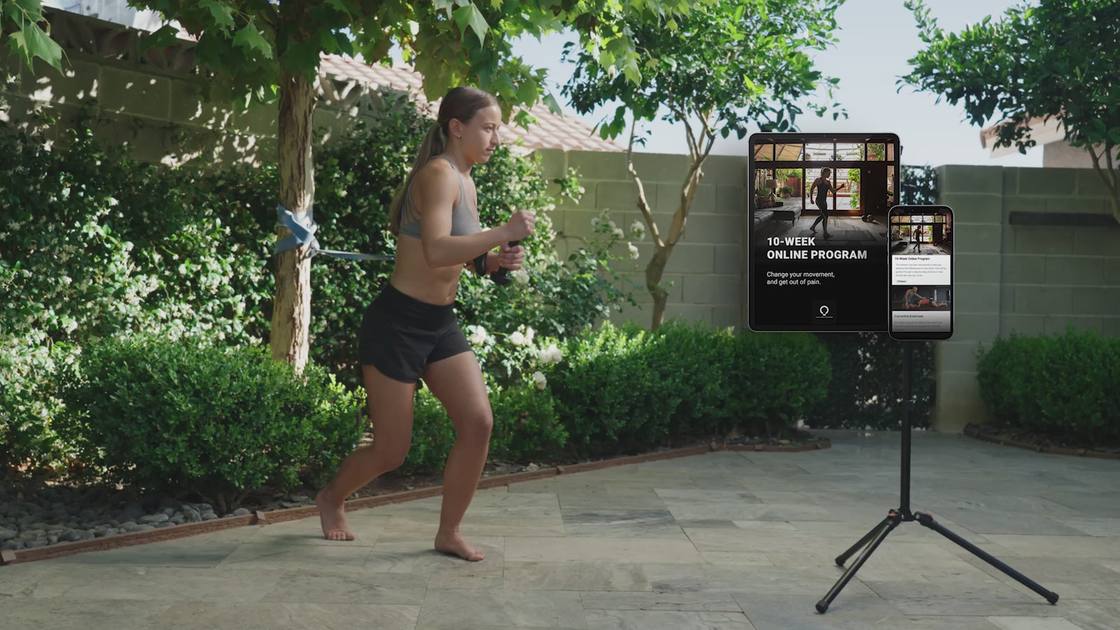
About 1 in 3 people in high-intensity functional training report an injury, most often in the shoulder, back or knee1. Intensity isn't the problem on its own. Piling load onto movement your body can't control is. The 10-Week Online Program rebuilds how you move, so you can train hard without breaking down.
4.5/5 from 380 participantsInstant access
The trade-off
The workout ends. The wear doesn't.
High-intensity training gets results, and it fills waiting rooms. Here's what the injury research shows.
- estimated US emergency-room visits for injuries from HIIT-style exercises and equipment, 2007–20162
- ~4M
- rise in those injuries between 2007–11 and 2012–162
- +144%
- people in high-intensity functional training report an injury1
- 1 in 3
Emergency-room figures cover injuries from exercises and equipment typical of HIIT, not only HIIT classes. Injury rates in this kind of training are similar to other popular sports3: injuries are common, and they cluster in predictable places.
Where it breaks
Injuries cluster in the same places.
Across 28 studies and more than 11,000 participants, injuries concentrated in a few joints1.
Share of injuries by body area
High-intensity functional training, pooled across studies1
- Shoulder26%
- Back & spine26%
- Knee14%
None of this means you should stop training hard. It means the way you move has to be able to carry the work you put on it.
The natural path
Train hard. Without breaking down.
Researchers think many soft-tissue injuries come from rapid jumps in training load your body isn't prepared for, not from hard training itself8.
The 10-Week Program builds the foundation first: how your muscles share load, hold your joints in position and produce force. Then intensity has somewhere safe to go.
- 01
Mechanics before intensity
Learn to hold alignment under load before you add speed, reps and weight.
- 02
Shoulders, back and knees that can take load
Train the muscles that protect the joints high-intensity training hits hardest.
- 03
Progress you can sustain
Phases unlock weekly, so your body adapts before you progress, not after you're hurt.
The 10-Week Online Program
10 weeks to a stronger, more capable body.
A step-by-step program that retrains how your muscles support your joints. Progress is earned, not rushed: each phase unlocks weekly so your body adapts before you move on.
- Phase 1Weeks 1–3
Release tension & rehydrate tissue
- Break up buildup that keeps muscles from firing properly
- Free up stiff muscles without overstretching ligaments
- Prep muscles for better activation
- Phase 2Week 4
Posture awareness & alignment
- Spot the difference between good and bad posture
- Identify the imbalances holding your body back
- Understand what poor posture does over time
- Phase 3Weeks 5–10
Integrate & fortify your structure
- Apply resistance without compromising alignment
- Train the muscles that support your joints
- Hold posture and control under load
What's included
- 99 instructional videos
- 10+ hours of structured content
- 3 progressive phases, unlocked weekly
- Phone, tablet or computer
- Subtitles in multiple languages
One payment. No subscription.
$197.49≈ $20/week over 10 weeks
Get instant access4.5/5 from 380 participantsInstant access
An honest comparison
Two ways to train hard.
Intensity is a tool. Mechanics decide whether it builds you up or breaks you down.
Real people. Structural results.
What changes when you train the structure.
from 380 participants
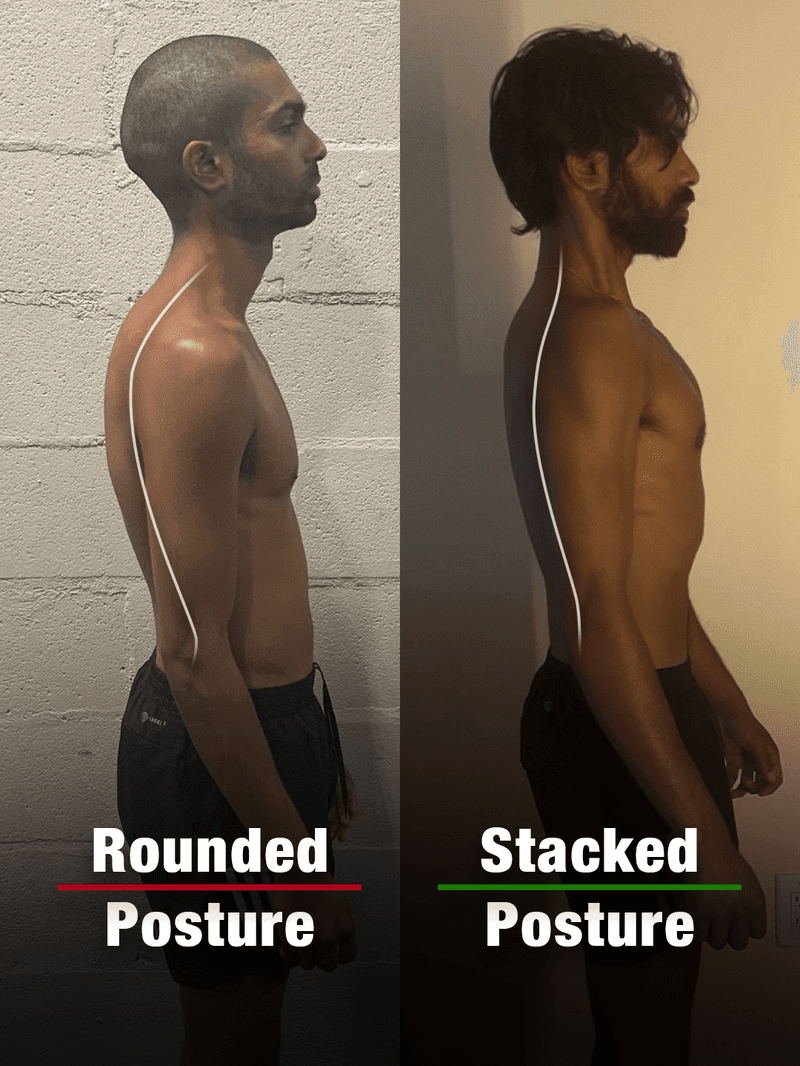
Brandon, 29 · Athlete
Before: Chronic hip, knee and shoulder pain, movement limitations.
After: Less pain, more muscle, movement restored. Trains with better control and stability, without setbacks.
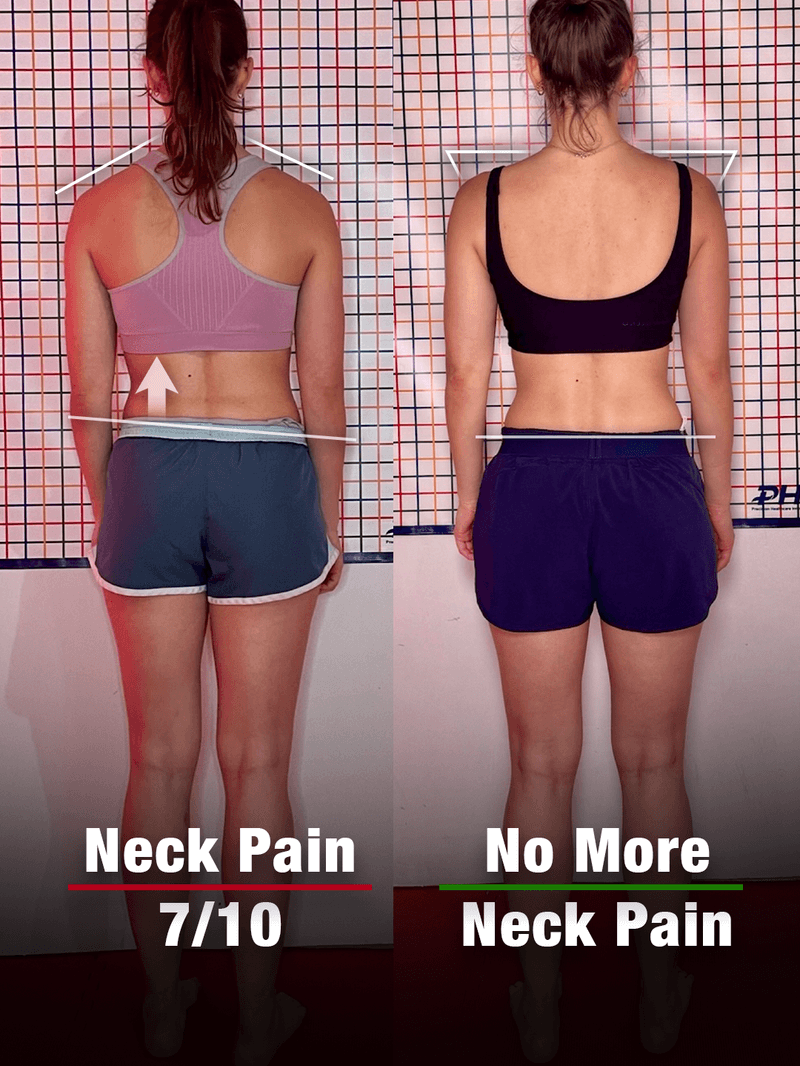
Sam, 26 · Athlete
Before: Chronic back, neck and shoulder pain from sports.
After: Pain gone, better gait and performance. Moves with better posture and coordination, without setbacks.
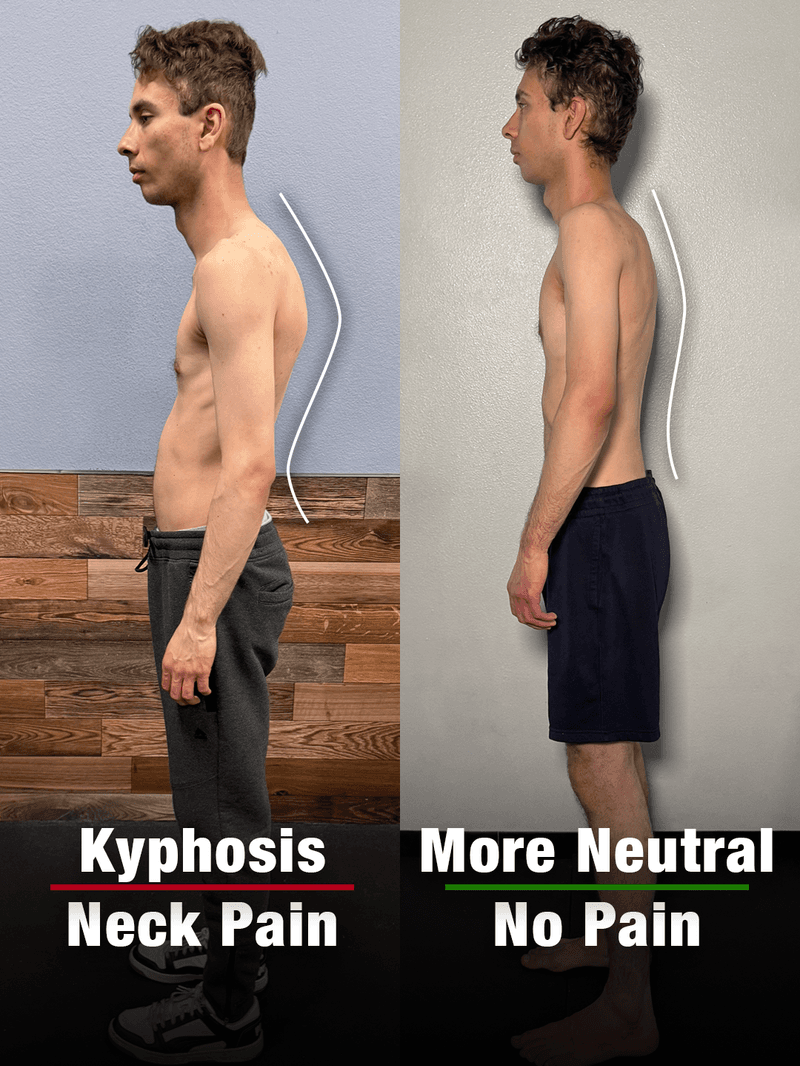
Matthew, 27 · Client
Before: Chronic back, neck and shoulder pain limiting training.
After: Pain gone, trains without restriction. Better posture and stability for consistent strength gains.
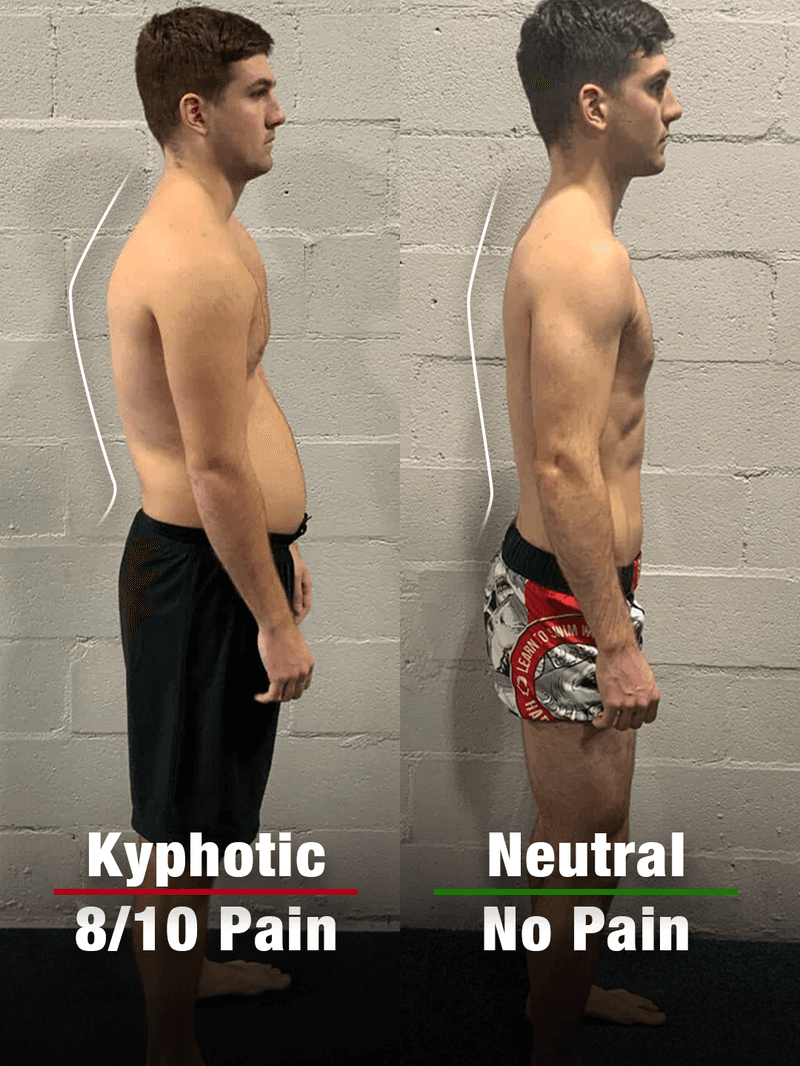
Brian, 26 · Student / athlete
Before: Severe posture issues, chronic lower back pain (8/10).
After: Pain-free with improved posture and more muscle. Trains and moves with better coordination.
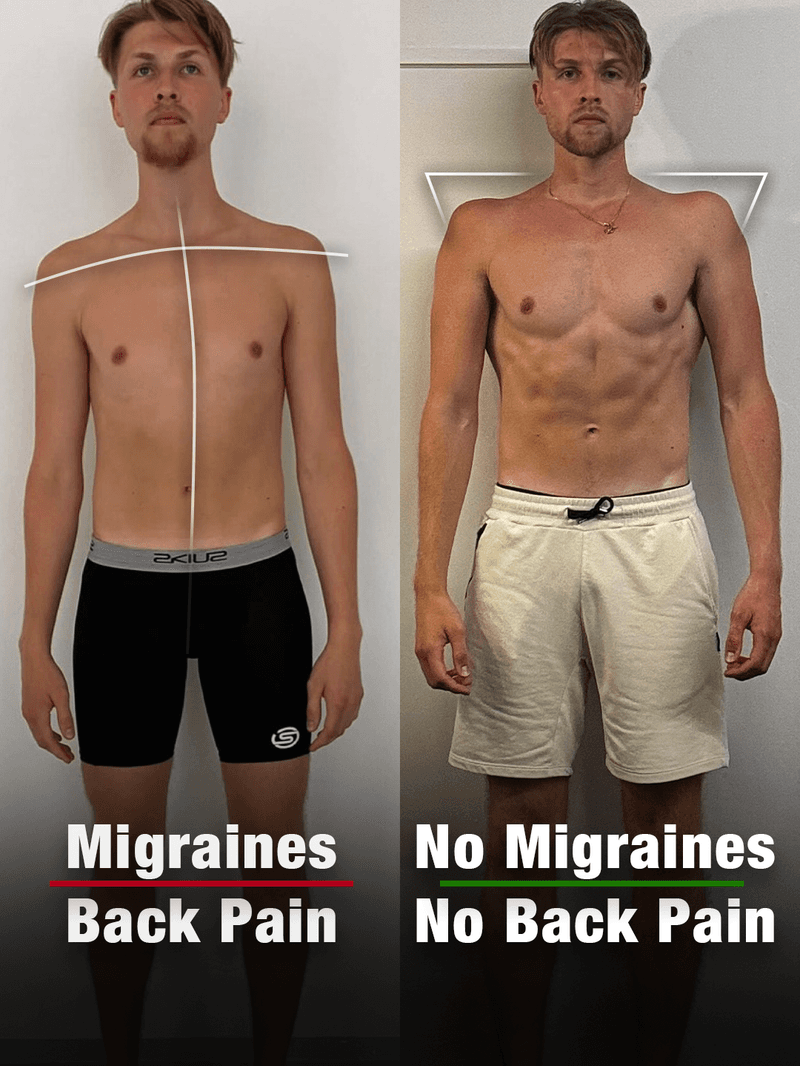
Lorenz, 26 · Athlete
Before: Chronic pain, nerve issues, fatigue, poor posture.
After: Less nerve and back pain, no more migraines, better posture. More energy and consistent pain-free movement.
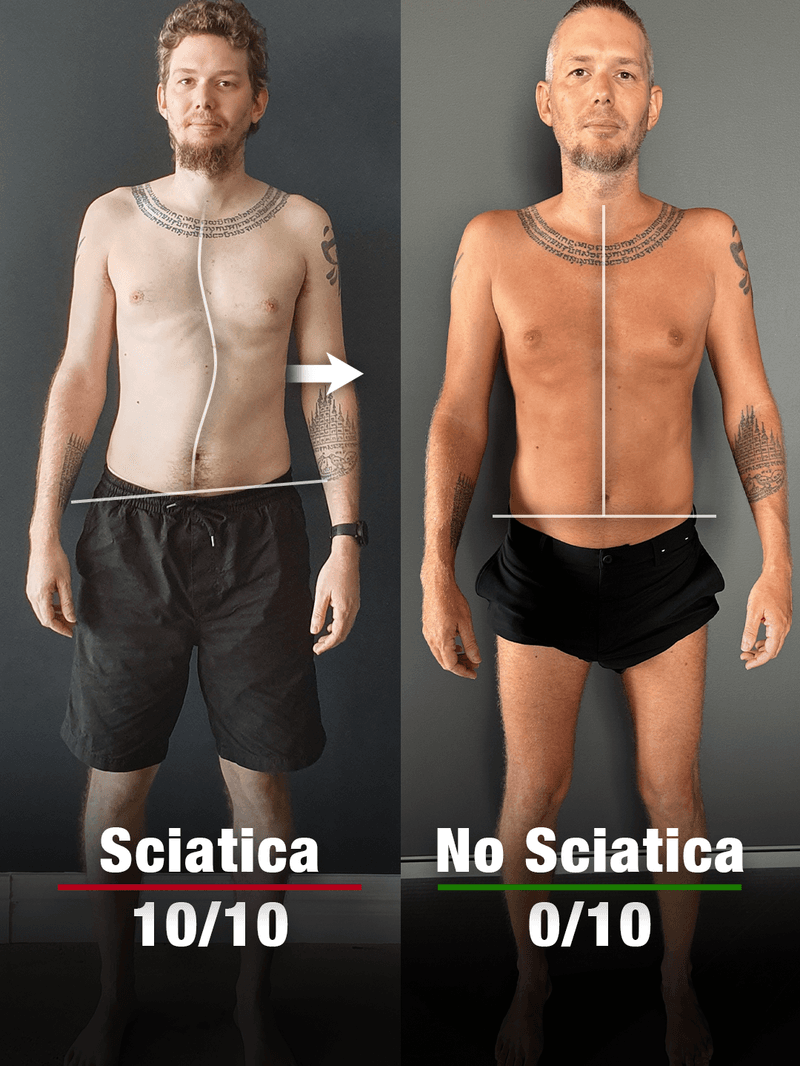
Brendan, 41 · IT technician
Before: Chronic full-body pain, sciatica, poor resilience.
After: Chronic pain and sciatica gone. Moves pain-free with better energy and stability.
Individual results vary. Outcomes shown are from Functional Patterns clients and depend on consistency, starting point and health history.
Questions
Before you start.
Do I have to quit high-intensity training?
No. The program is about building the mechanics that let you keep training hard. You may want to scale back intensity during the early phases while your body adapts.
I'm injured right now. Can I start?
Yes. The first phase focuses on releasing tension rather than adding load, and you can stay in it longer. If a doctor or physical therapist is treating your injury, check with them first.
I'm a beginner, or I'm dealing with pain. Is this for me?
Yes. Each phase unlocks weekly so your body adapts before you move on, and you can progress at your own pace. If you're recovering from injury or long-term pain, it's normal to spend longer in the early phases.
How is the program delivered?
You get instant access after purchase: 99 instructional videos, more than 10 hours of structured content across 3 phases, with subtitles in multiple languages. It works on your phone, tablet or computer.
Is this medical advice?
No. This page is for general education. The health information comes from published research and FDA documents, linked in the sources below. Talk to your healthcare provider about your own situation.
Keep the intensity. Fix the mechanics.
Build the foundation that lets you train hard for years, not weeks. Ten weeks, at your own pace.
4.5/5 from 380 participantsInstant access