For anyone adjusted, massaged or treated every week, with little lasting change
Adjusted every week, but nothing changes?
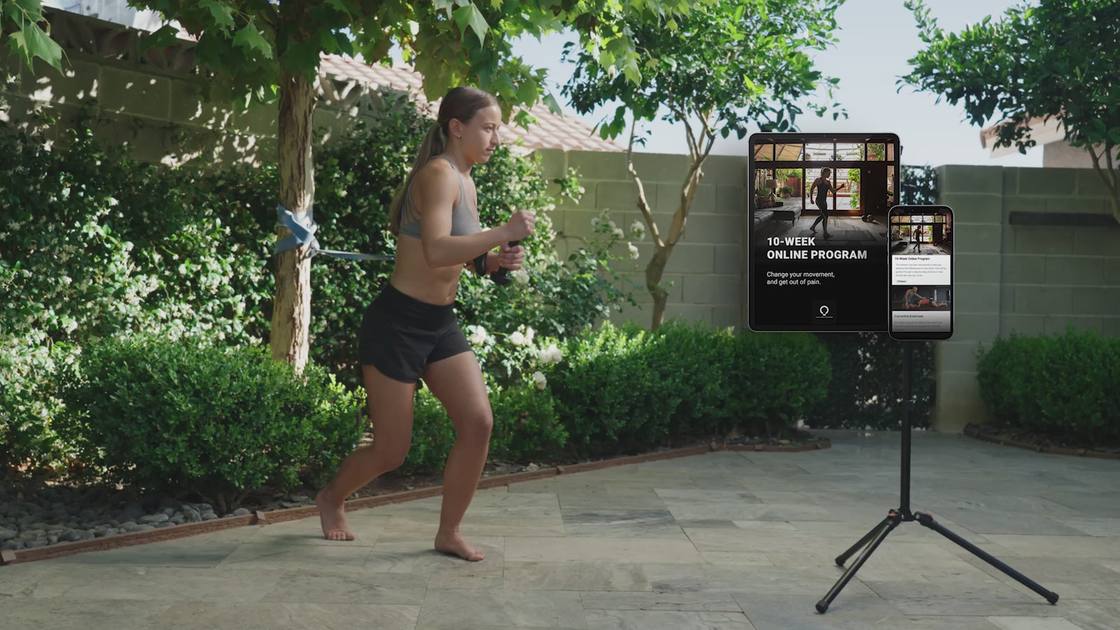
Hands-on care can bring real relief. But if it fades by next week, it's worth asking what you're doing between sessions. For chronic low back pain, guidelines put active approaches like exercise first5, and across 249 trials exercise reduced pain by a clinically important amount1. The 10-Week Online Program is active retraining you do yourself.
4.5/5 from 380 participantsInstant access
The evidence
Feeling better on the table. Staying better is the hard part.
Many people with back pain rely on treatment that's done to them. Here's what the research says about treatment you do.
- cause of disability worldwide: low back pain2
- #1
- US adults saw a chiropractor in the past year (2017)3
- 1 in 10
- points of pain on a 0–100 scale: how much exercise reduced chronic low back pain vs no treatment or usual care, across 249 trials1
- −15
Spinal manipulation performed about as well as other recommended therapies, including exercise, for short-term pain4. This isn't about any one therapy being useless. It's about what you're doing between sessions, and whether it builds lasting change.
What guidelines say
Guidelines put active care first.
Guidelines on low back pain lead with education, staying active and exercise, yet worldwide these first-line treatments are underused6.
US physicians' guideline (ACP)
- Exercise reduced pain more than no treatment, usual care or placebo1
- Spinal manipulation gave results similar to other recommended therapies4
- Neck manipulation: a rare association with artery dissection and stroke has been reported, and the American Heart Association advises telling patients before treatment8
UK guidance (NICE)
Many chiropractors and physical therapists build active exercise into their care, and that's the point: whoever you see, make sure part of the plan is something you do.
Active care
Stop waiting to be fixed. Start retraining.
Passive treatment is something done to you. Active care is something you learn, so it goes with you between appointments.
The 10-Week Program retrains how your muscles support your spine and joints, with 99 videos you can follow at home, at your own pace.
- 01
Learn what your body is doing
Spot the posture and movement patterns that keep pulling you back into pain.
- 02
Train the support, not just the symptom
Build the muscles that should be holding your spine and joints in position.
- 03
Carry it with you
Skills you can use every day, wherever you are, not only on the treatment table.
The 10-Week Online Program
10 weeks to a stronger, more capable body.
A step-by-step program that retrains how your muscles support your joints. Progress is earned, not rushed: each phase unlocks weekly so your body adapts before you move on.
- Phase 1Weeks 1–3
Release tension & rehydrate tissue
- Break up buildup that keeps muscles from firing properly
- Free up stiff muscles without overstretching ligaments
- Prep muscles for better activation
- Phase 2Week 4
Posture awareness & alignment
- Spot the difference between good and bad posture
- Identify the imbalances holding your body back
- Understand what poor posture does over time
- Phase 3Weeks 5–10
Integrate & fortify your structure
- Apply resistance without compromising alignment
- Train the muscles that support your joints
- Hold posture and control under load
What's included
- 99 instructional videos
- 10+ hours of structured content
- 3 progressive phases, unlocked weekly
- Phone, tablet or computer
- Subtitles in multiple languages
One payment. No subscription.
$197.49≈ $20/week over 10 weeks
Get instant access4.5/5 from 380 participantsInstant access
An honest comparison
Done to you, or done by you?
Both can help. Only one goes home with you.
Real people. Structural results.
What changes when you train the structure.
from 380 participants
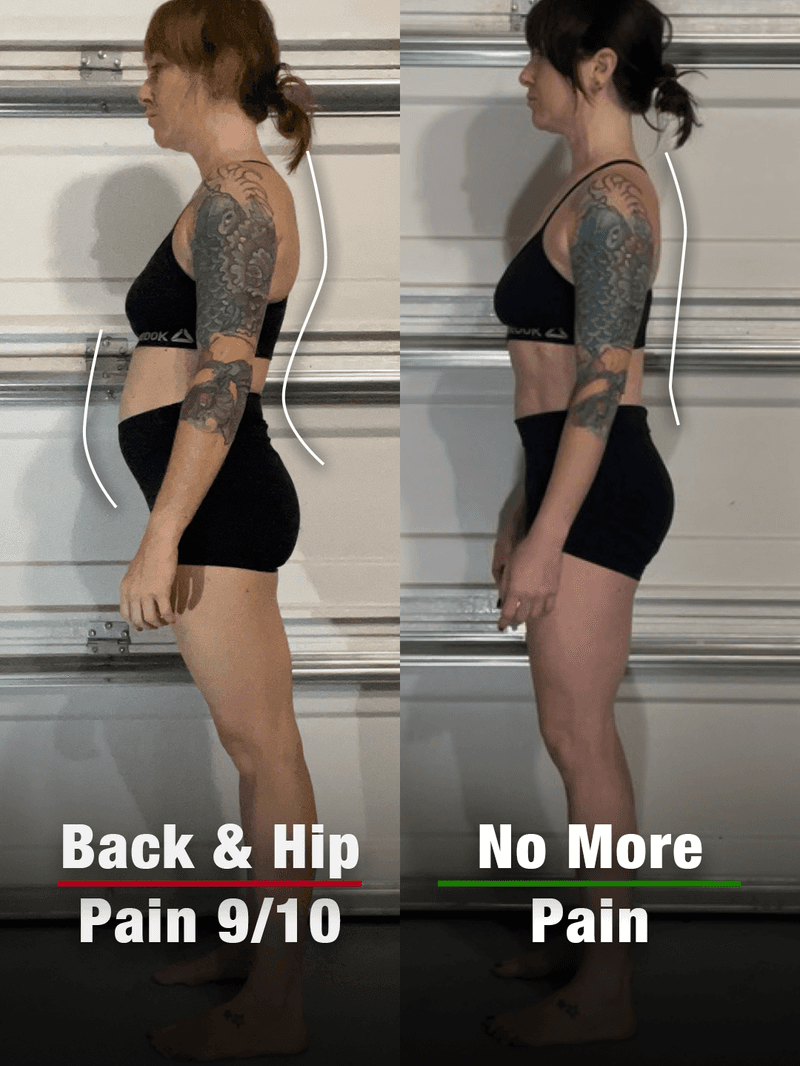
Kayla, 36 · Hair stylist
Before: Severe back pain, hip and neck discomfort.
After: Pain down from 9/10 to near zero. Works full days pain-free with better posture and energy.
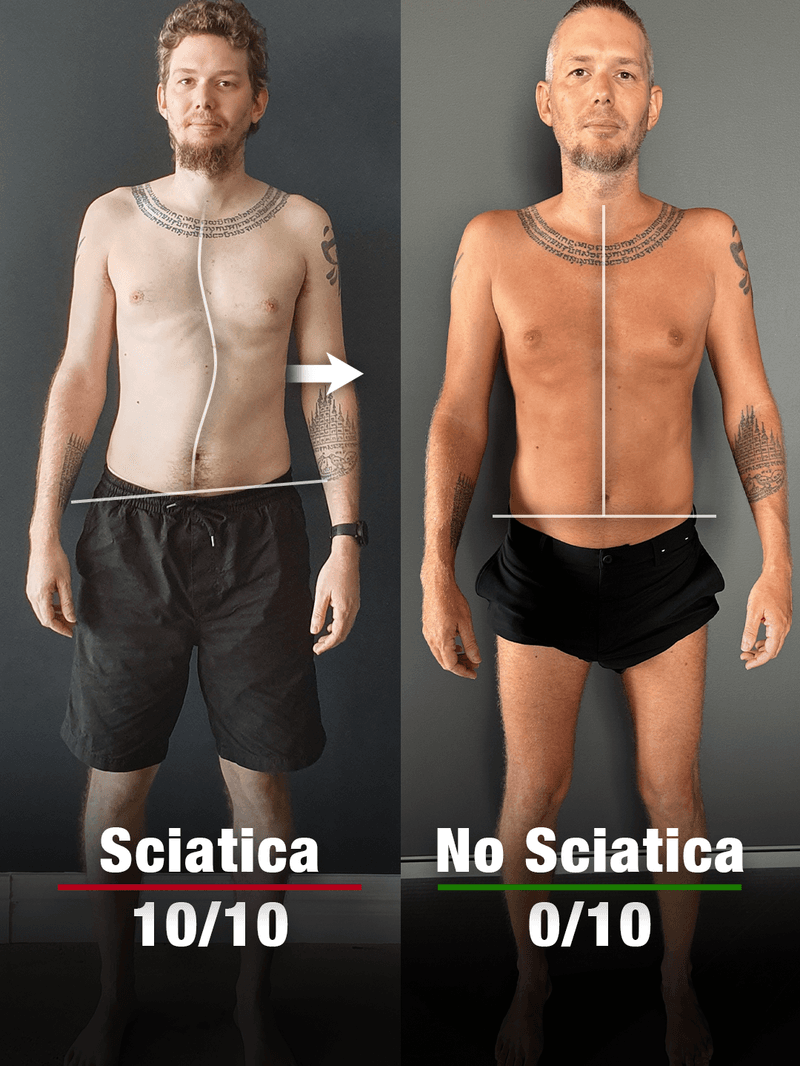
Brendan, 41 · IT technician
Before: Chronic full-body pain, sciatica, poor resilience.
After: Chronic pain and sciatica gone. Moves pain-free with better energy and stability.
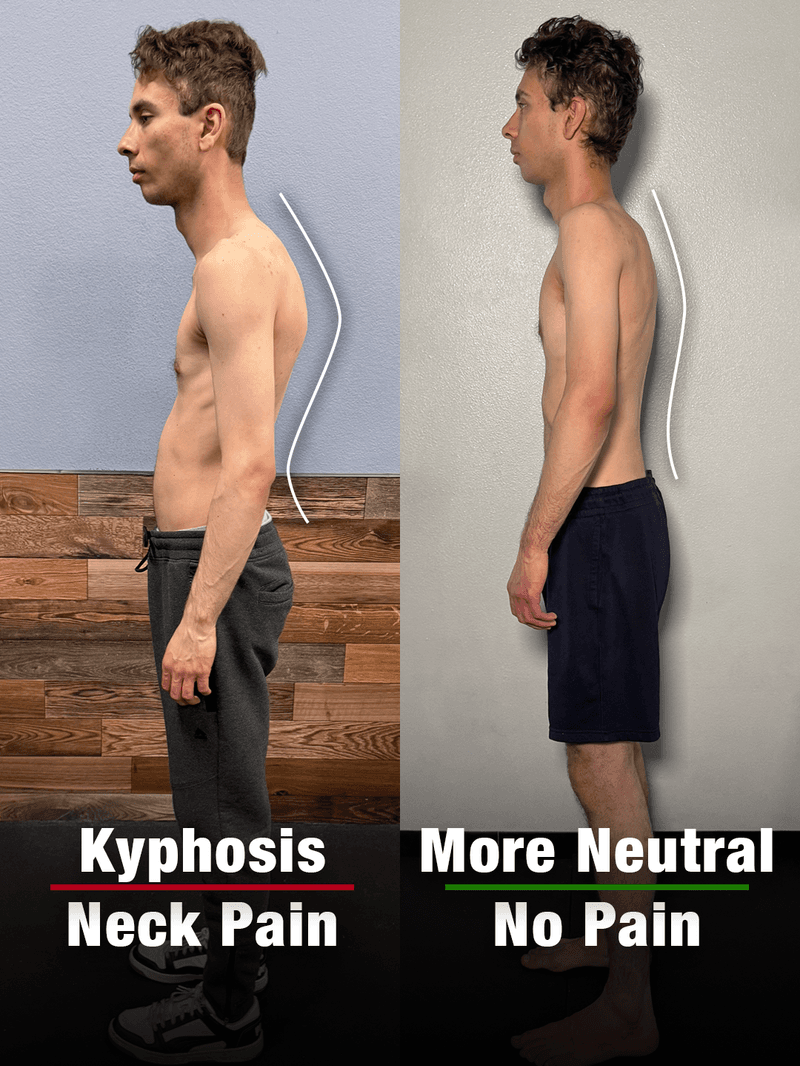
Matthew, 27 · Client
Before: Chronic back, neck and shoulder pain limiting training.
After: Pain gone, trains without restriction. Better posture and stability for consistent strength gains.
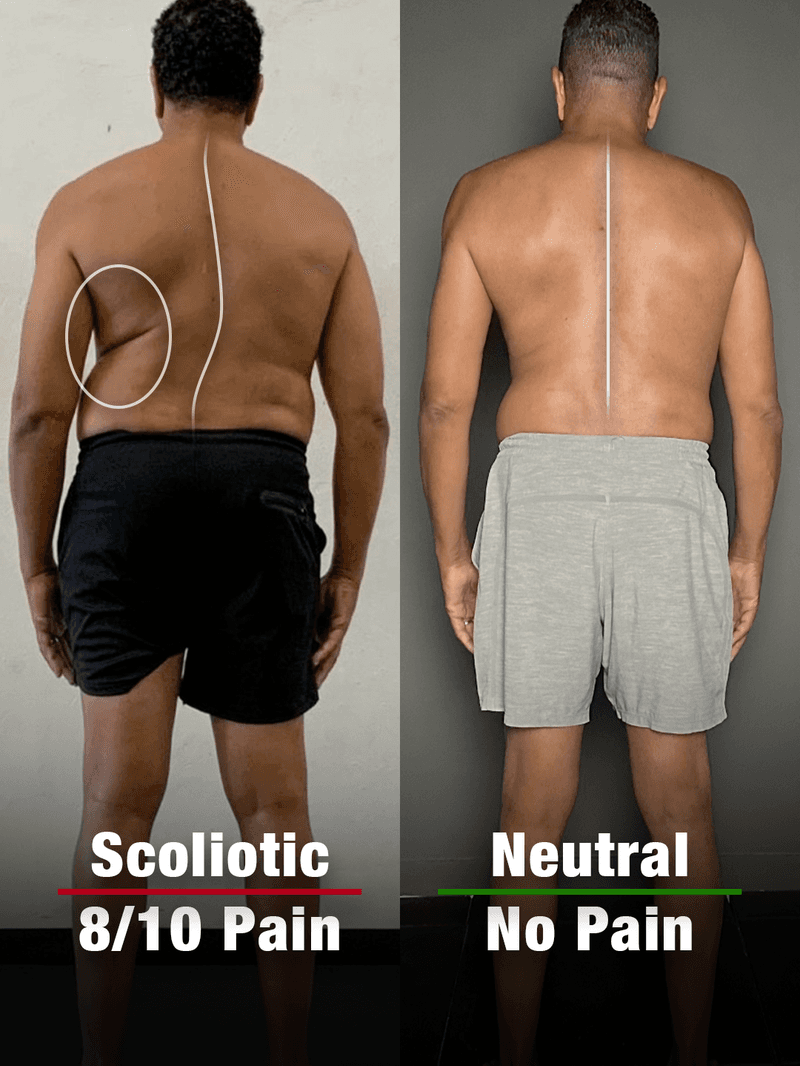
George, 64 · Retired
Before: Scoliosis, chronic back pain (8/10), knee instability.
After: Back and knee pain gone, better posture, more energy and stability, without relying on temporary fixes.
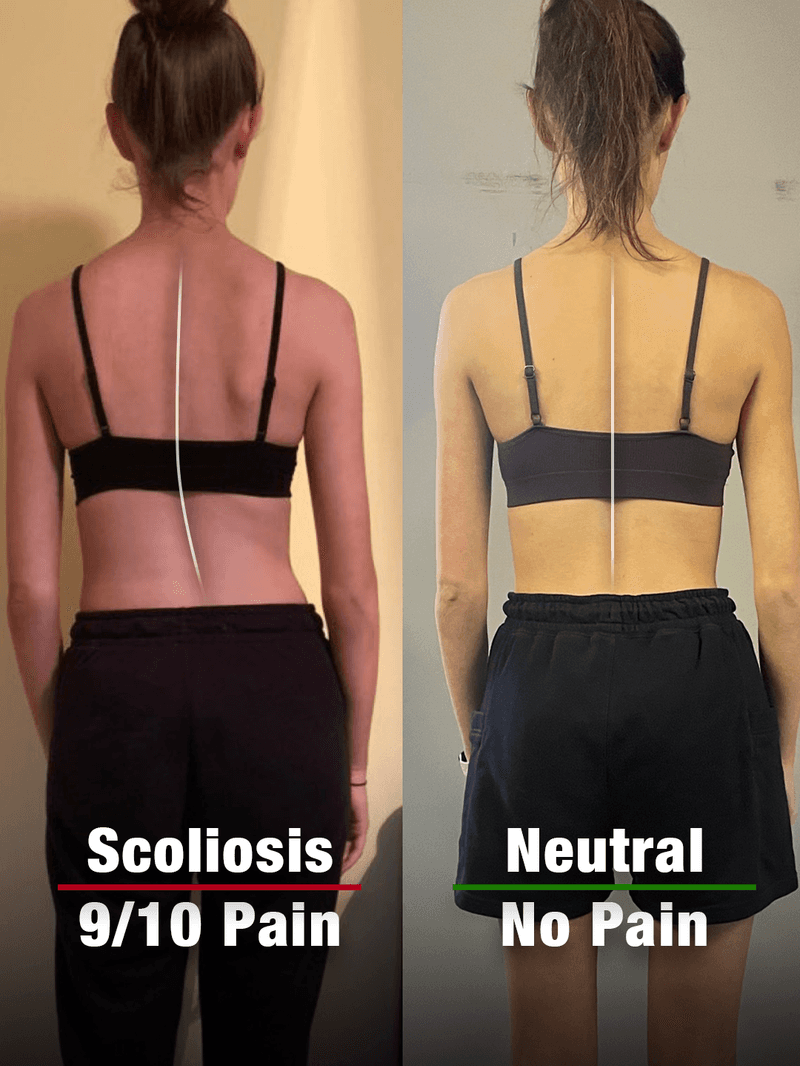
Emma, 22 · Childcare worker
Before: Scoliosis, back pain, migraines, postural instability.
After: Better posture and stability. Now 99% pain-free and active at work without discomfort.
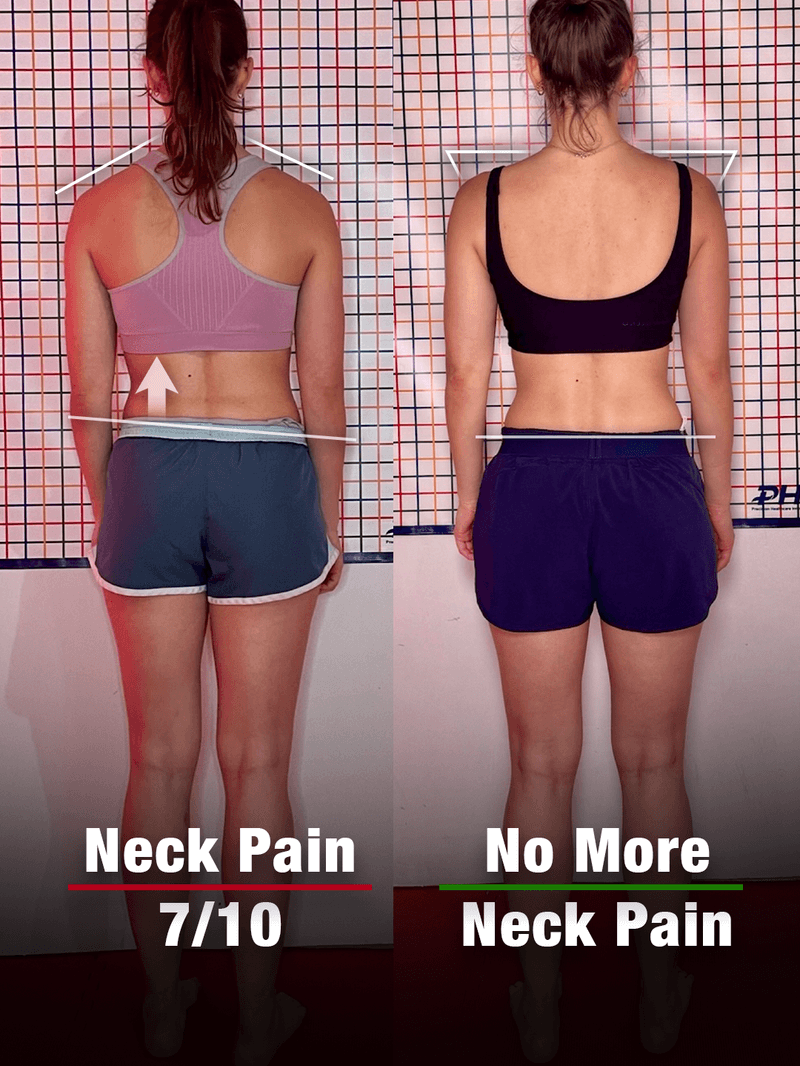
Sam, 26 · Athlete
Before: Chronic back, neck and shoulder pain from sports.
After: Pain gone, better gait and performance. Moves with better posture and coordination, without setbacks.
Individual results vary. Outcomes shown are from Functional Patterns clients and depend on consistency, starting point and health history.
Questions
Before you start.
Should I stop seeing my chiropractor or physical therapist?
Not necessarily. Many practitioners include active exercise, and the program can sit alongside their care. Let them know you're starting.
Is the program only for back pain?
No. It works on posture and how your muscles support all your joints. The research on this page focuses on low back pain because that's where most of the evidence is.
I'm a beginner, or I'm dealing with pain. Is this for me?
Yes. Each phase unlocks weekly so your body adapts before you move on, and you can progress at your own pace. If you're recovering from injury or long-term pain, it's normal to spend longer in the early phases.
How is the program delivered?
You get instant access after purchase: 99 instructional videos, more than 10 hours of structured content across 3 phases, with subtitles in multiple languages. It works on your phone, tablet or computer.
Is this medical advice?
No. This page is for general education. The health information comes from published research and FDA documents, linked in the sources below. Talk to your healthcare provider about your own situation.
Feel better on the table? Now build it into your body.
Active retraining you can do every day, at home. Ten weeks, at your own pace.
4.5/5 from 380 participantsInstant access