For anyone reaching for ibuprofen, naproxen or acetaminophen every day
Still popping ibuprofen every morning?
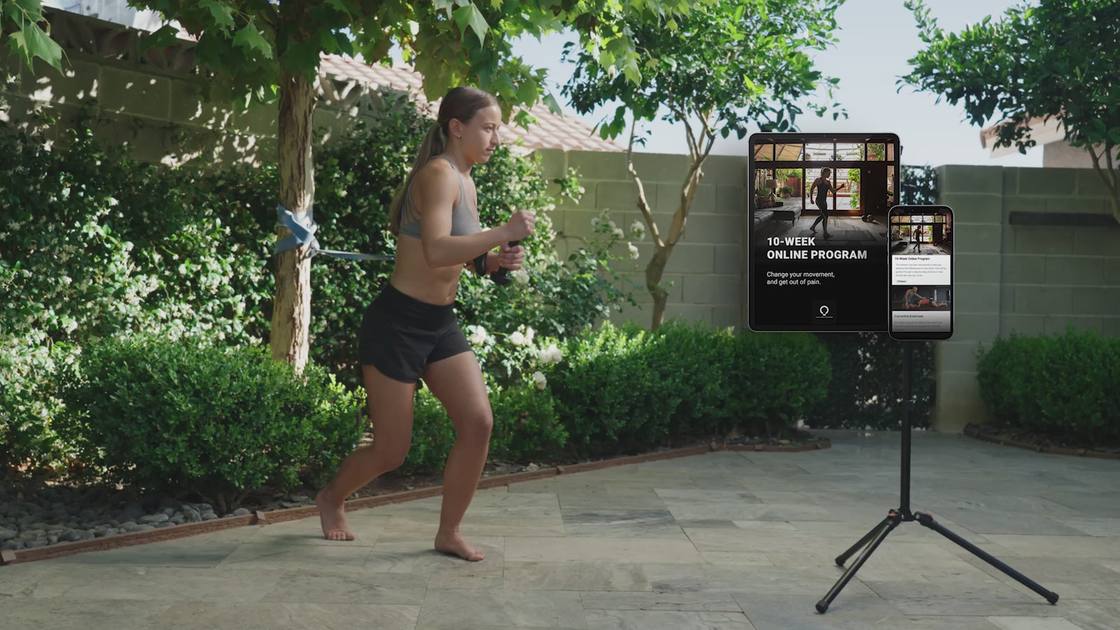
In trials, anti-inflammatory painkillers eased chronic low back pain only slightly more than placebo1, and acetaminophen made no meaningful difference for low back pain3. Pills can take the edge off. They can't change what's causing the pain. The 10-Week Online Program works on how you move, so you're working on the cause, not just the symptom.
4.5/5 from 380 participantsInstant access
The trade-off
Small relief. Risks that add up.
Painkillers have a place, especially short-term. But taken every day for chronic pain, the research shows small benefits and real costs.
- points of pain relief on a 0–100 scale for chronic low back pain: NSAIDs vs placebo, and exercise therapy vs no exercise, in separate reviews12
- 3 vs 15
- ibuprofen users took more than the daily limit in a single week4
- 1 in 9
- US adults were taking NSAIDs regularly in 2010, three or more times a week for over 3 months5
- 29M
The pain-relief figures come from two separate reviews with different comparisons, so they show the size of each effect, not a head-to-head trial. The regular-use figure is from 2010 and includes prescription NSAIDs.
What the label and the research say
Every pill has a cost. Know these ones.
NSAID prescribing information carries a boxed warning: the risk of heart attack and stroke may start early in treatment and may increase the longer you take them, and they can cause bleeding and ulcers in the stomach6.
Higher risk at high prescription doses
Compared with placebo, large analysis of randomized trials7
- Stomach bleeding & ulcers (naproxen)4.2×
- Stomach bleeding & ulcers (ibuprofen)4×
- Major heart events (ibuprofen)2.2×
- Heart failure2×
Also worth knowing
- 37% of ibuprofen users also took another NSAID in the same week, often without realizing it4
- Higher kidney-injury risk when NSAIDs are combined with common blood-pressure medicines (a diuretic plus an ACE inhibitor or ARB)9
- Opioids weren't better than non-opioid medicines for function over 12 months10
If your doctor prescribed a painkiller, keep following their advice. The question is what else you're doing about the cause.
Work on the cause
Turn down the alarm, or fix what's setting it off?
US physicians' guidelines recommend starting chronic low back pain care with non-drug treatments like exercise, with medication second11. UK guidelines advise exercise for everyone with osteoarthritis and recommend against routinely offering paracetamol12.
The 10-Week Program is active treatment: it retrains how your muscles support your joints, so you're working on what's loading the painful area, not just turning down the alarm.
- 01
Find what's loading the painful area
Learn to spot the posture and movement patterns that keep stressing the same joint.
- 02
Release, then rebuild support
Free up tight tissue, then train the muscles that should be taking the load.
- 03
Move with confidence again
Rebuild everyday movement step by step, at a pace your body can handle.
The 10-Week Online Program
10 weeks to a stronger, more capable body.
A step-by-step program that retrains how your muscles support your joints. Progress is earned, not rushed: each phase unlocks weekly so your body adapts before you move on.
- Phase 1Weeks 1–3
Release tension & rehydrate tissue
- Break up buildup that keeps muscles from firing properly
- Free up stiff muscles without overstretching ligaments
- Prep muscles for better activation
- Phase 2Week 4
Posture awareness & alignment
- Spot the difference between good and bad posture
- Identify the imbalances holding your body back
- Understand what poor posture does over time
- Phase 3Weeks 5–10
Integrate & fortify your structure
- Apply resistance without compromising alignment
- Train the muscles that support your joints
- Hold posture and control under load
What's included
- 99 instructional videos
- 10+ hours of structured content
- 3 progressive phases, unlocked weekly
- Phone, tablet or computer
- Subtitles in multiple languages
One payment. No subscription.
$197.49≈ $20/week over 10 weeks
Get instant access4.5/5 from 380 participantsInstant access
An honest comparison
Mask it, or work on it?
Painkillers turn down the signal. Training works on what's sending it.
Real people. Structural results.
What changes when you train the structure.
from 380 participants
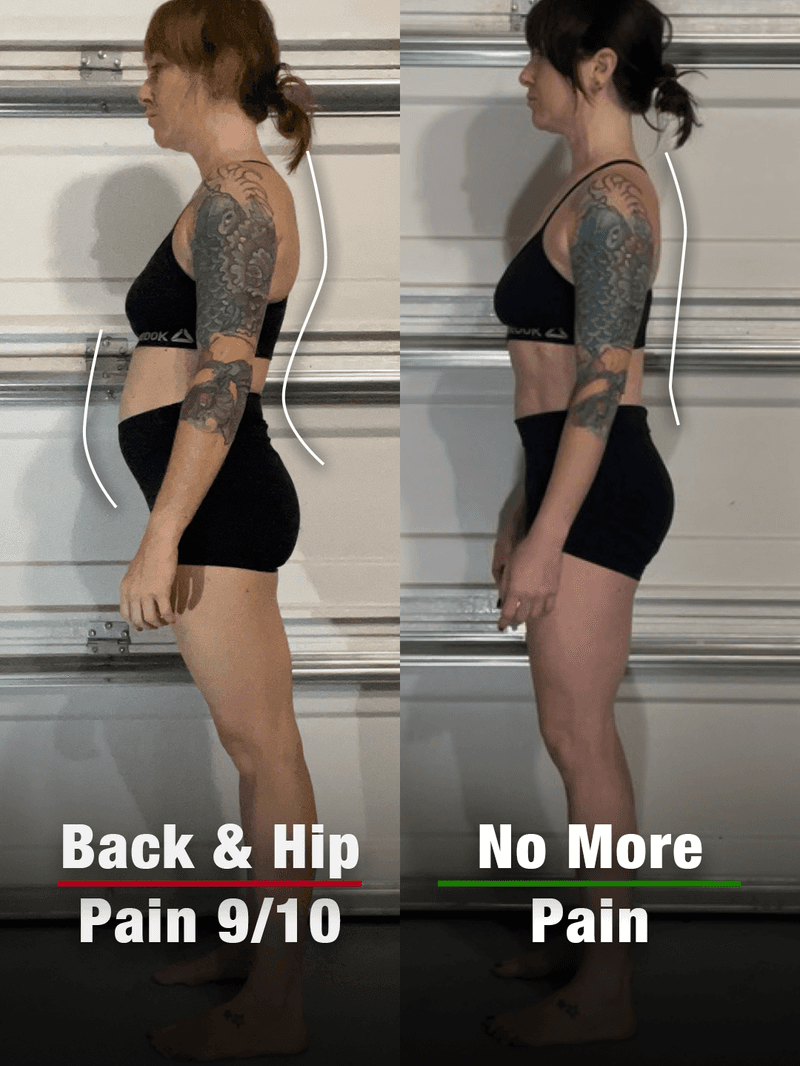
Kayla, 36 · Hair stylist
Before: Severe back pain, hip and neck discomfort.
After: Pain down from 9/10 to near zero. Works full days pain-free with better posture and energy.
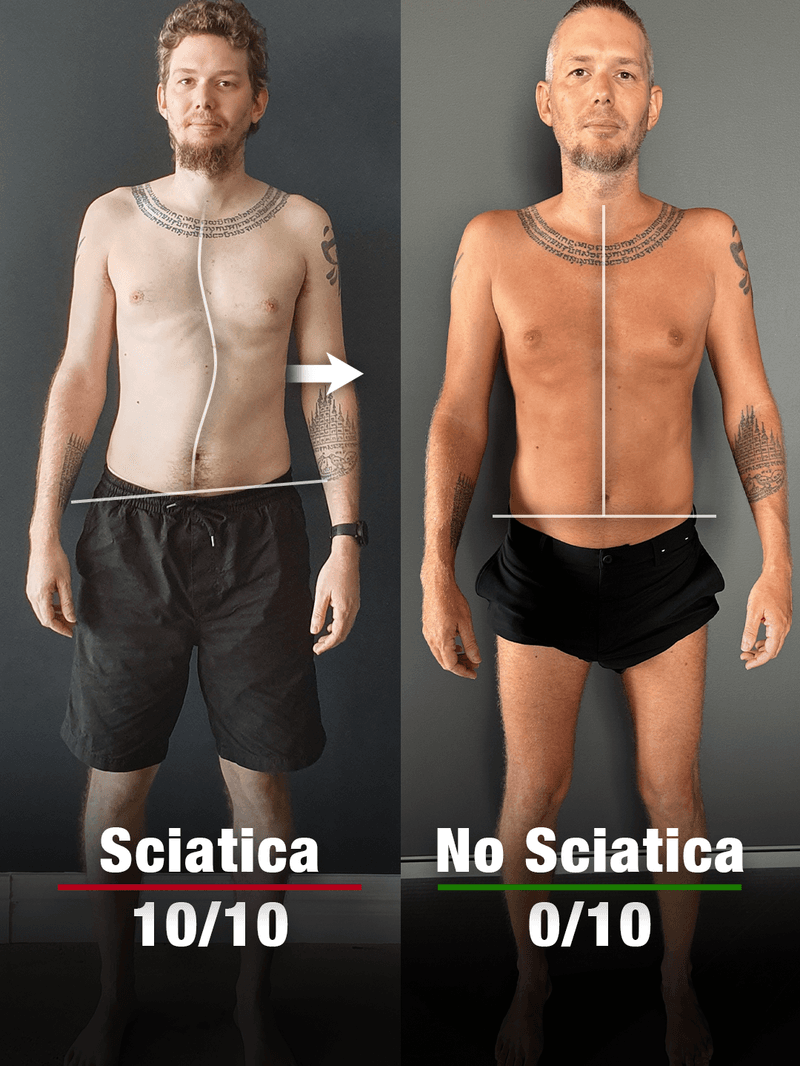
Brendan, 41 · IT technician
Before: Chronic full-body pain, sciatica, poor resilience.
After: Chronic pain and sciatica gone. Moves pain-free with better energy and stability.
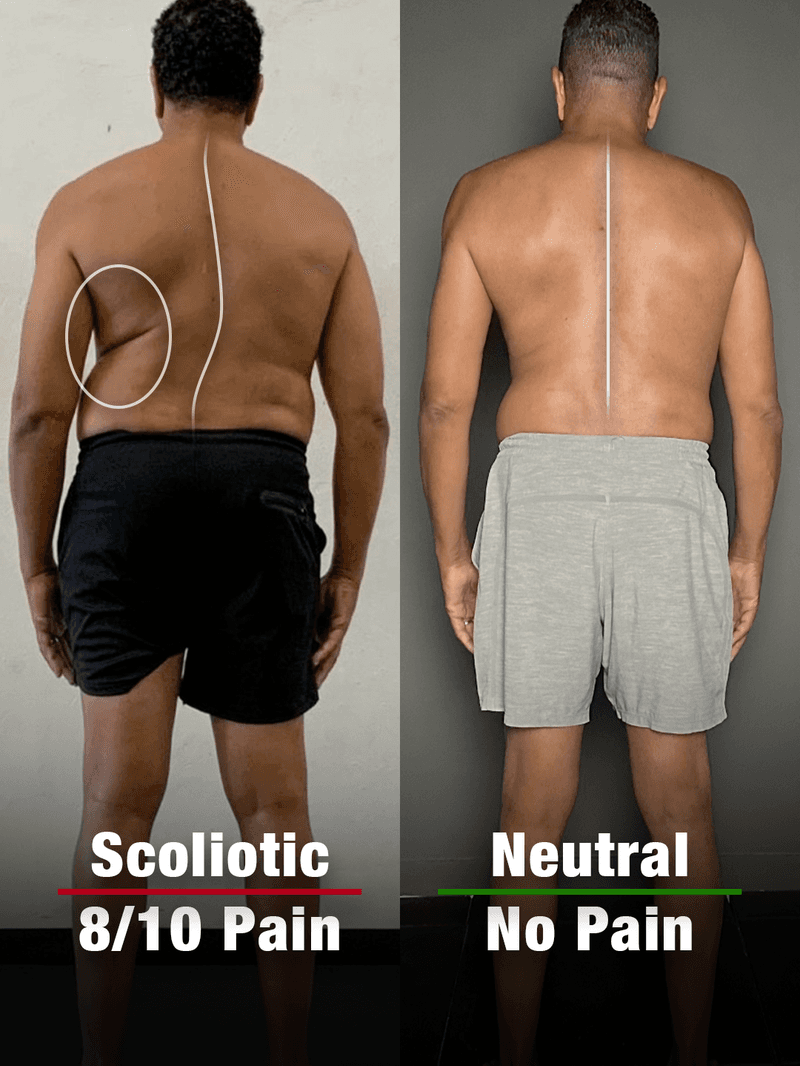
George, 64 · Retired
Before: Scoliosis, chronic back pain (8/10), knee instability.
After: Back and knee pain gone, better posture, more energy and stability, without relying on temporary fixes.
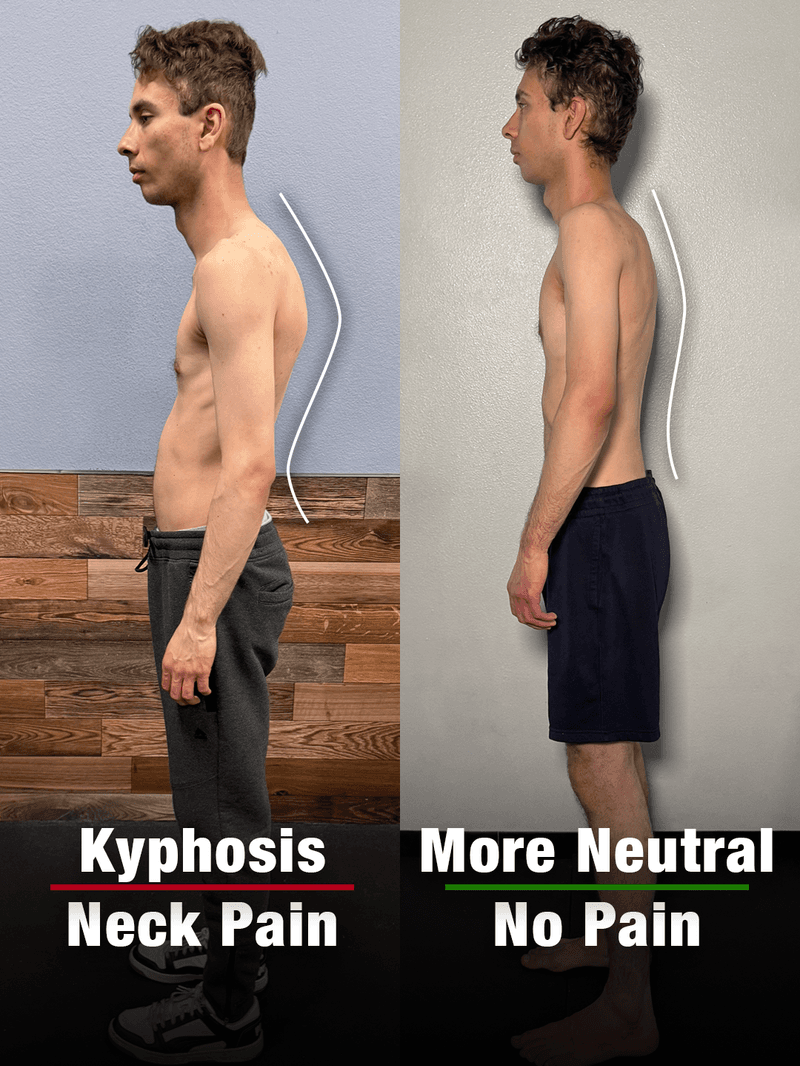
Matthew, 27 · Client
Before: Chronic back, neck and shoulder pain limiting training.
After: Pain gone, trains without restriction. Better posture and stability for consistent strength gains.
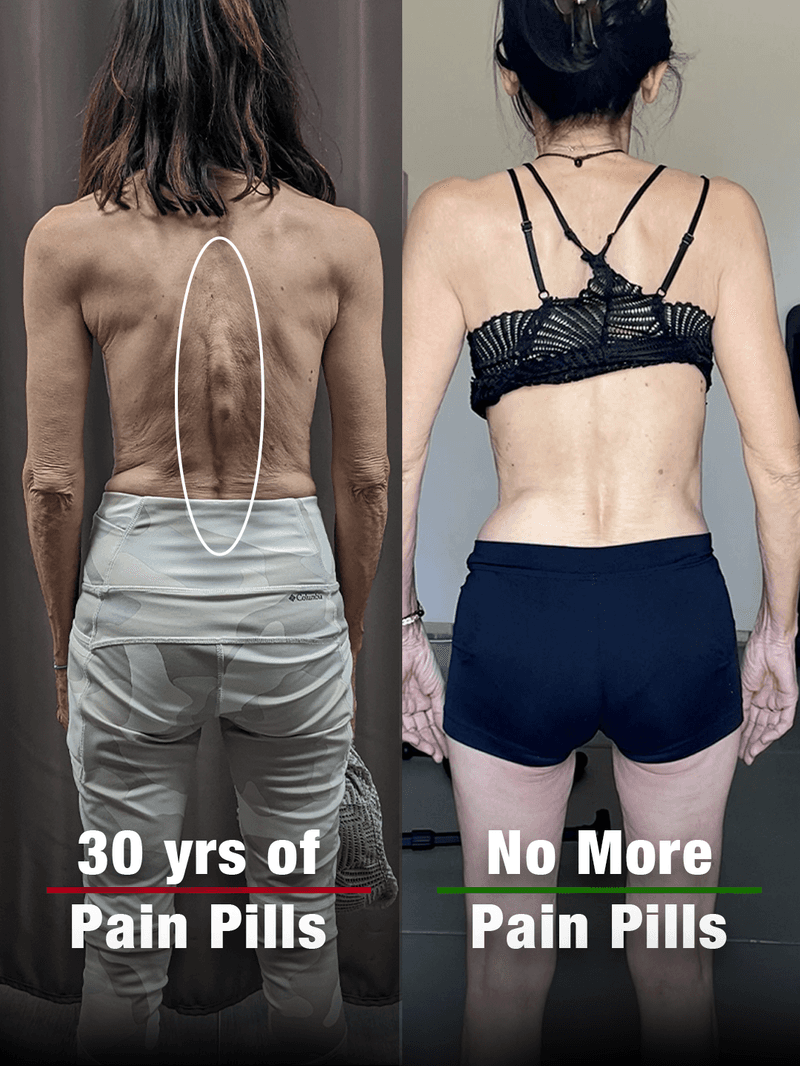
Christiane, 70 · Client
Before: Severe spinal injury, chronic back pain, limited mobility.
After: Chronic back pain gone, better alignment and mobility. Moves and rests comfortably.
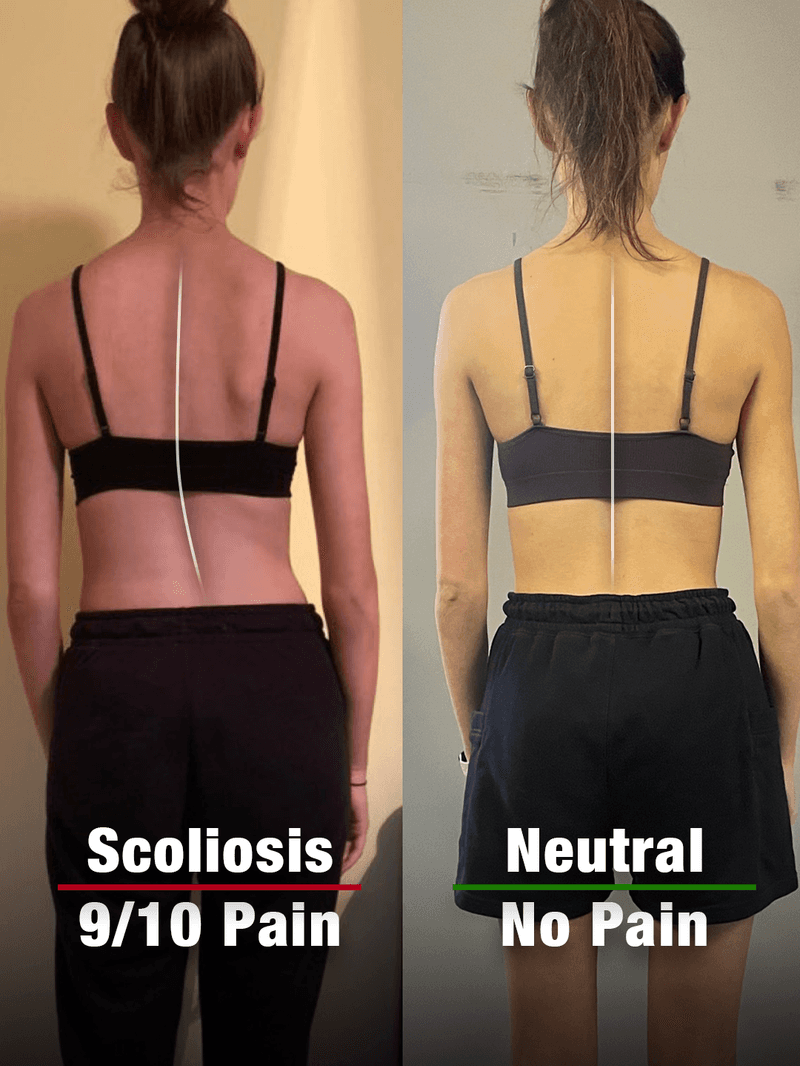
Emma, 22 · Childcare worker
Before: Scoliosis, back pain, migraines, postural instability.
After: Better posture and stability. Now 99% pain-free and active at work without discomfort.
Individual results vary. Outcomes shown are from Functional Patterns clients and depend on consistency, starting point and health history.
Questions
Before you start.
Should I stop taking my painkillers?
Don't change a medication your doctor prescribed without talking to them. Many people use pain relief while they build up activity. The goal is to work on the cause at the same time.
Can I do the program while I'm in pain?
Yes. You progress at your own pace, and the first phase focuses on releasing tension rather than adding load. If your pain is severe, sudden, or comes with other symptoms, see a doctor first.
I'm a beginner, or I'm dealing with pain. Is this for me?
Yes. Each phase unlocks weekly so your body adapts before you move on, and you can progress at your own pace. If you're recovering from injury or long-term pain, it's normal to spend longer in the early phases.
How is the program delivered?
You get instant access after purchase: 99 instructional videos, more than 10 hours of structured content across 3 phases, with subtitles in multiple languages. It works on your phone, tablet or computer.
Is this medical advice?
No. This page is for general education. The health information comes from published research and FDA documents, linked in the sources below. Talk to your healthcare provider about your own situation.
Stop masking it. Start working on it.
Retrain how you move and work on what's behind the pain. Ten weeks, at your own pace.
4.5/5 from 380 participantsInstant access