For anyone told surgery might be next for a knee, shoulder or back
Before you go under the knife, try this.

In several clinical trials, exercise therapy did about as well as surgery for some degenerative knee and shoulder problems5312. Surgery is the right call for many people. But if yours is one of the cases where movement is a real option, the 10-Week Online Program gives you a structured place to start. Ask your surgeon whether it fits.
4.5/5 from 380 participantsInstant access
The evidence
Some operations did no better than fake surgery.
Researchers have tested common orthopedic operations against sham surgery and against exercise. For some conditions, the results were surprising.
- knee arthroscopies in the US in 2006, nearly half of them for meniscus tears1
- ~1M
- than sham surgery: arthroscopic meniscus surgery for degenerative tears, at 12 months2
- No better
- later, physical therapy was still non-inferior to meniscus surgery in a randomized trial4
- 5 yrs
These trials cover degenerative meniscus tears, shoulder impingement and chronic low back pain, not every joint problem. In the trials, 19–30% of people who started with exercise later had surgery56, and for advanced knee arthritis, knee replacement clearly beat non-surgical care7.
What the trials found
The operations that didn't beat the alternatives.
Expert panels have made strong recommendations against arthroscopic surgery for nearly all degenerative knee disease8, and against decompression surgery for shoulder pain9.
Knee
Shoulder & back
Surgery is the right choice for many injuries and conditions, including trauma, locked joints and advanced arthritis. This is about knowing your options before you decide, together with your surgeon.
The natural path
Change how you move before you change your anatomy.
In the trials above, the alternative to surgery wasn't rest. It was structured exercise: progressive work on strength and control5.
The 10-Week Program is a structured, progressive movement program you can do at home. It isn't a substitute for physical therapy your surgeon prescribes, but it's a way to start retraining how your muscles support your joints.
- 01
Load the joint the right way
Learn the alignment that spreads load across the joint instead of concentrating it in one spot.
- 02
Strength around the problem area
Train the muscles that support your knee, shoulder or back, at a pace your body can handle.
- 03
Better information for your decision
See how your body responds to structured training, then decide with your surgeon.
The 10-Week Online Program
10 weeks to a stronger, more capable body.
A step-by-step program that retrains how your muscles support your joints. Progress is earned, not rushed: each phase unlocks weekly so your body adapts before you move on.
- Phase 1Weeks 1–3
Release tension & rehydrate tissue
- Break up buildup that keeps muscles from firing properly
- Free up stiff muscles without overstretching ligaments
- Prep muscles for better activation
- Phase 2Week 4
Posture awareness & alignment
- Spot the difference between good and bad posture
- Identify the imbalances holding your body back
- Understand what poor posture does over time
- Phase 3Weeks 5–10
Integrate & fortify your structure
- Apply resistance without compromising alignment
- Train the muscles that support your joints
- Hold posture and control under load
What's included
- 99 instructional videos
- 10+ hours of structured content
- 3 progressive phases, unlocked weekly
- Phone, tablet or computer
- Subtitles in multiple languages
One payment. No subscription.
$197.49≈ $20/week over 10 weeks
Get instant access4.5/5 from 380 participantsInstant access
An honest comparison
Two ways to treat a degenerative joint.
For some conditions, trials found similar results. The differences are in what comes with each.
Real people. Structural results.
What changes when you train the structure.
from 380 participants
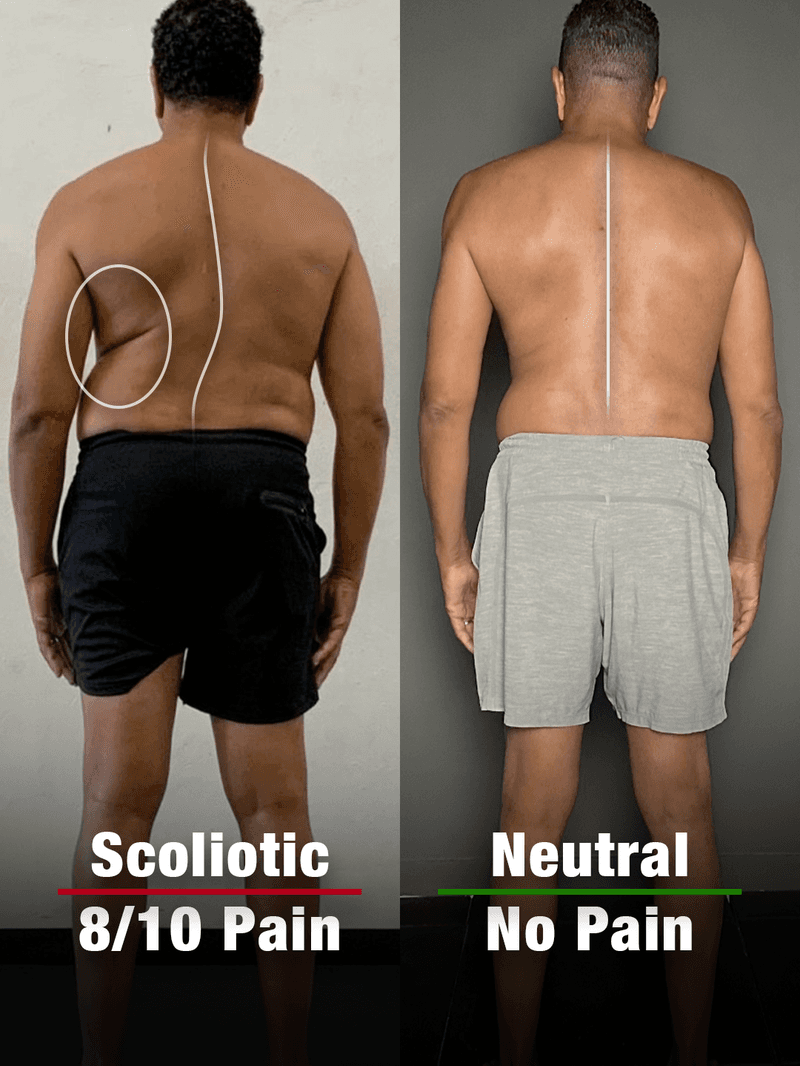
George, 64 · Retired
Before: Scoliosis, chronic back pain (8/10), knee instability.
After: Back and knee pain gone, better posture, more energy and stability, without relying on temporary fixes.
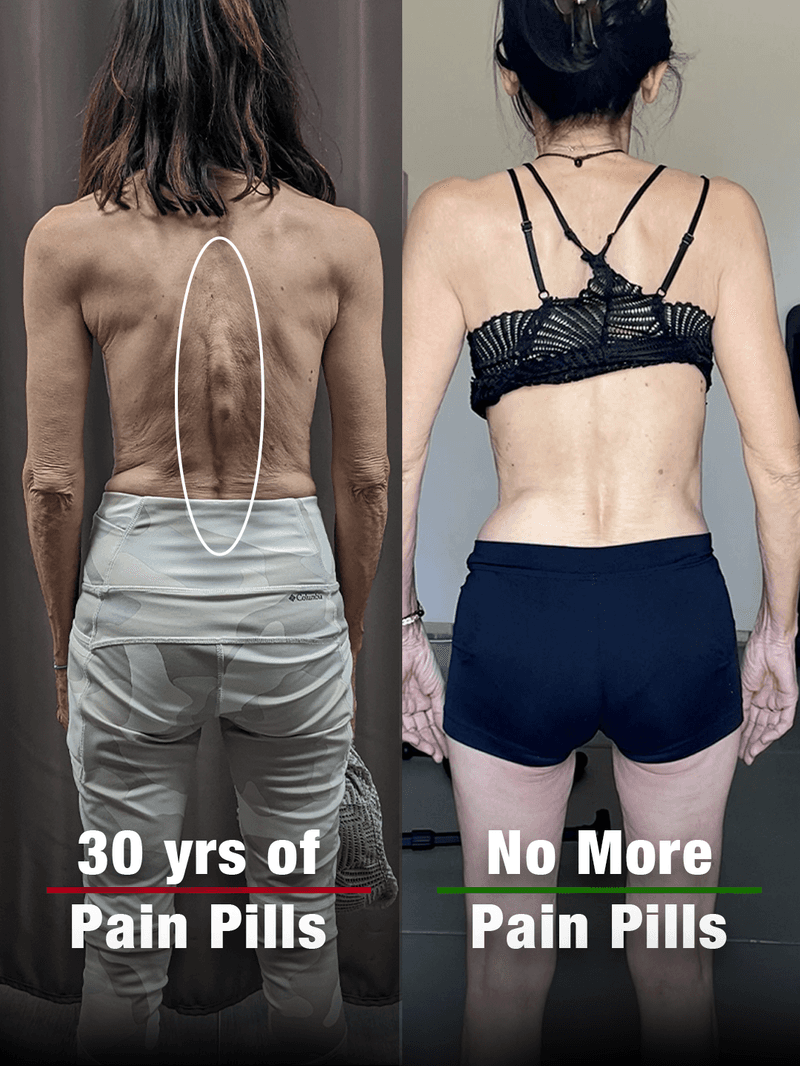
Christiane, 70 · Client
Before: Severe spinal injury, chronic back pain, limited mobility.
After: Chronic back pain gone, better alignment and mobility. Moves and rests comfortably.
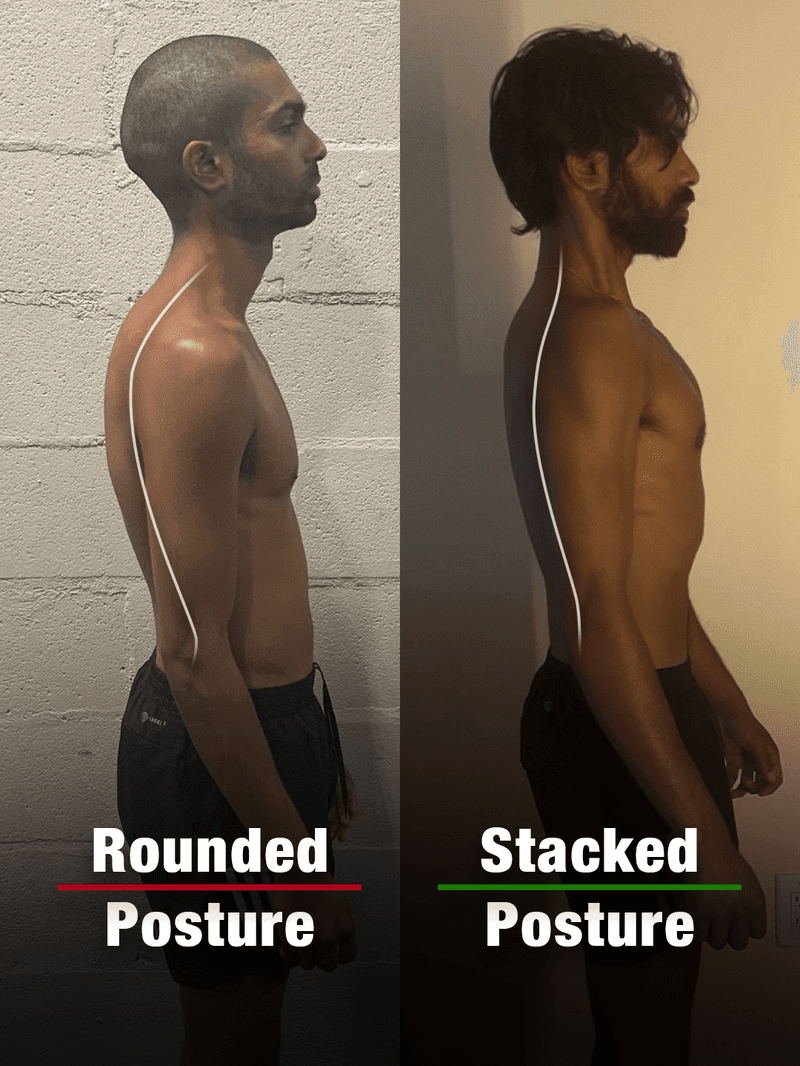
Brandon, 29 · Athlete
Before: Chronic hip, knee and shoulder pain, movement limitations.
After: Less pain, more muscle, movement restored. Trains with better control and stability, without setbacks.
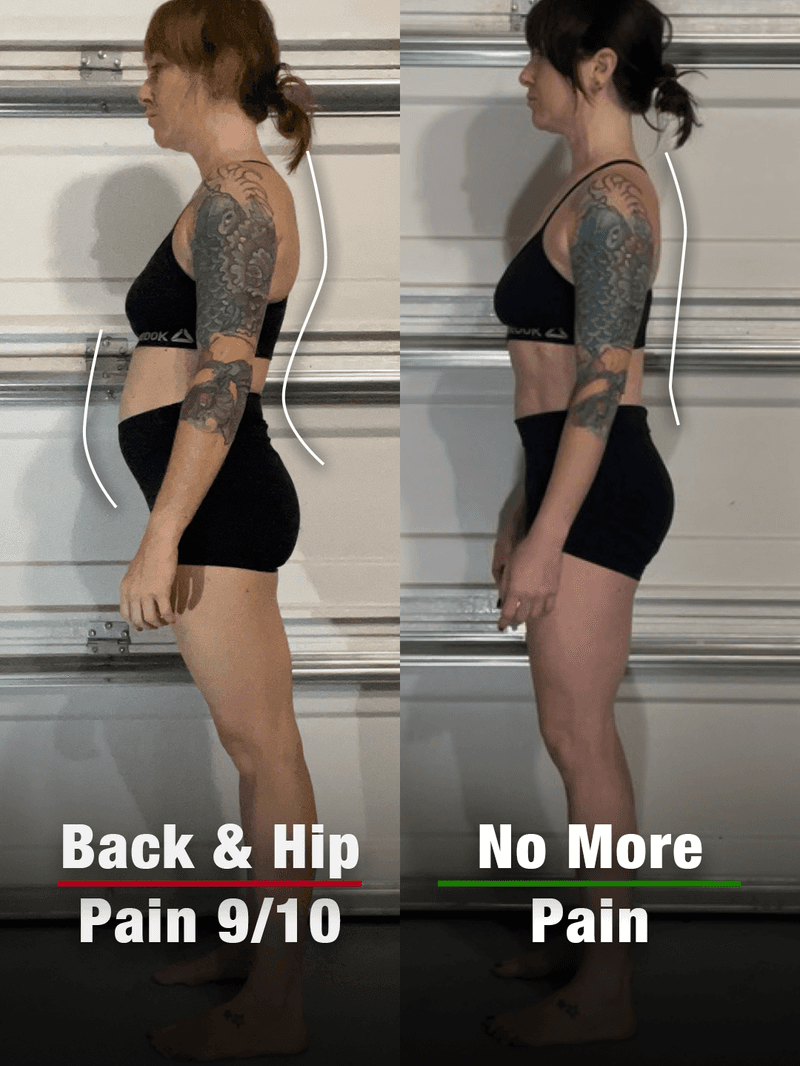
Kayla, 36 · Hair stylist
Before: Severe back pain, hip and neck discomfort.
After: Pain down from 9/10 to near zero. Works full days pain-free with better posture and energy.
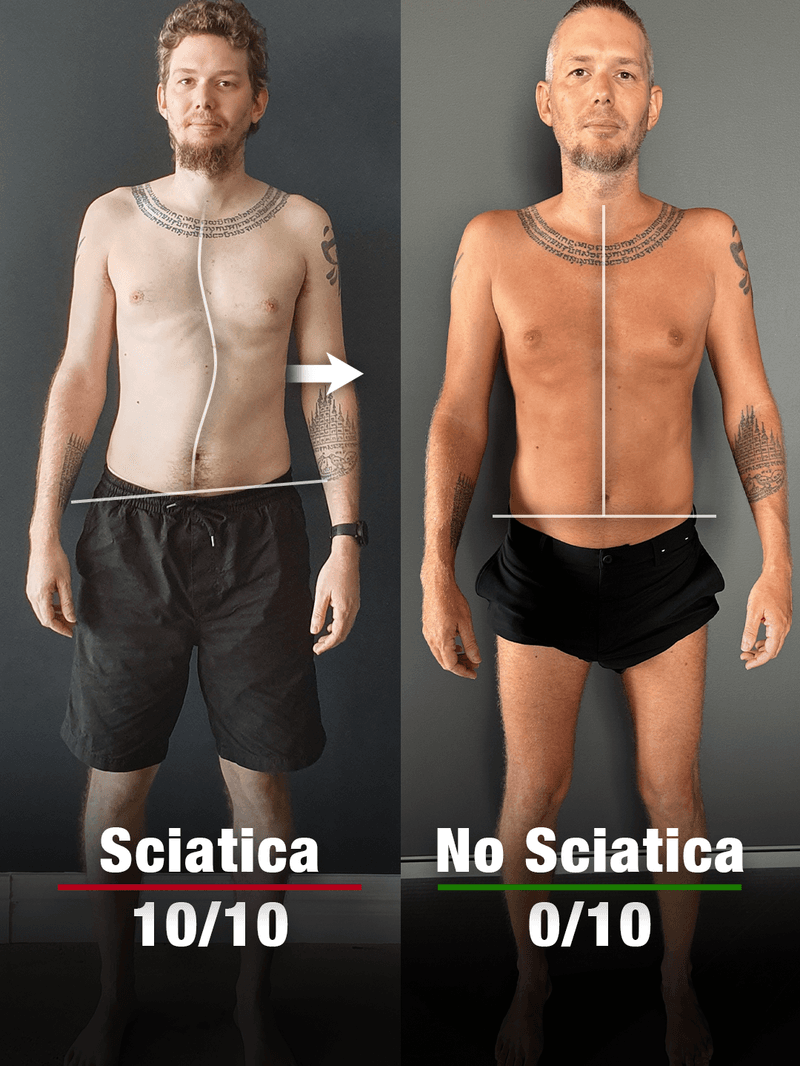
Brendan, 41 · IT technician
Before: Chronic full-body pain, sciatica, poor resilience.
After: Chronic pain and sciatica gone. Moves pain-free with better energy and stability.
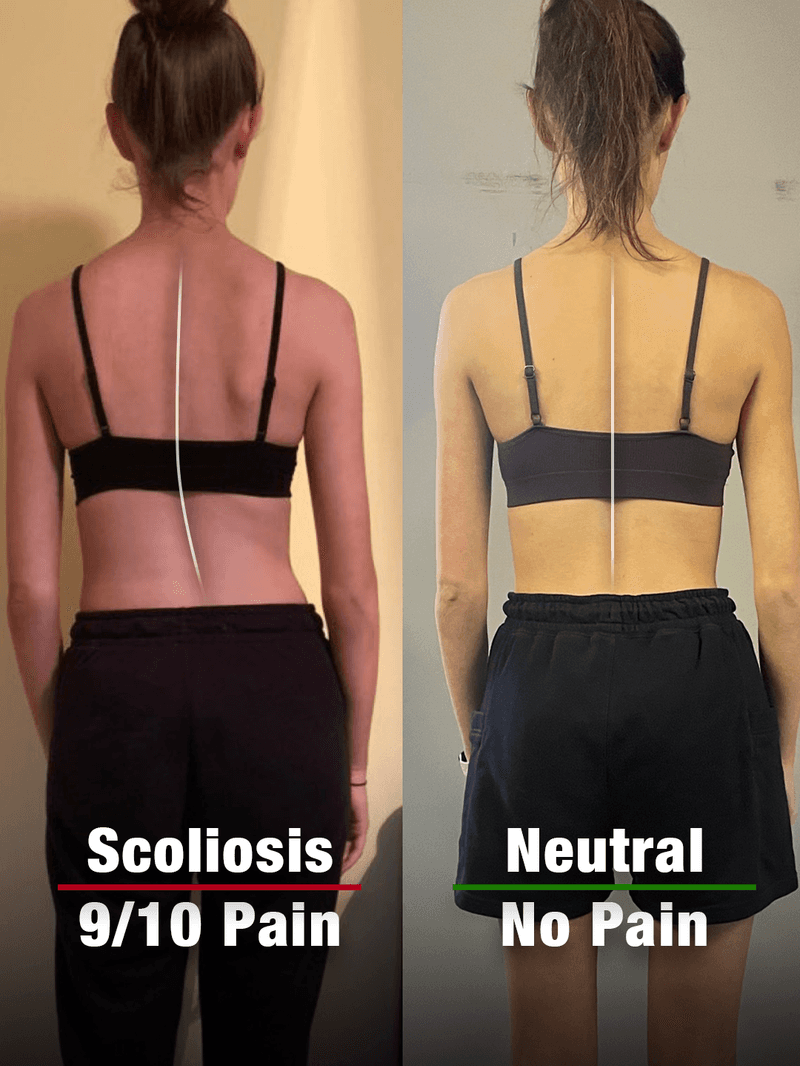
Emma, 22 · Childcare worker
Before: Scoliosis, back pain, migraines, postural instability.
After: Better posture and stability. Now 99% pain-free and active at work without discomfort.
Individual results vary. Outcomes shown are from Functional Patterns clients and depend on consistency, starting point and health history.
Questions
Before you start.
Should I cancel my surgery?
No. Don't change a treatment plan without talking to your surgeon. Surgery is the right choice for many conditions. Ask whether exercise therapy is a reasonable first step for yours.
Can I do the program before or after surgery?
Talk to your surgeon or physical therapist first. After surgery, follow the rehabilitation plan they give you.
I'm a beginner, or I'm dealing with pain. Is this for me?
Yes. Each phase unlocks weekly so your body adapts before you move on, and you can progress at your own pace. If you're recovering from injury or long-term pain, it's normal to spend longer in the early phases.
How is the program delivered?
You get instant access after purchase: 99 instructional videos, more than 10 hours of structured content across 3 phases, with subtitles in multiple languages. It works on your phone, tablet or computer.
Is this medical advice?
No. This page is for general education. The health information comes from published research and FDA documents, linked in the sources below. Talk to your healthcare provider about your own situation.
Know your options. Start with movement.
Retrain how your muscles support your joints, and make your next decision with more information. Ten weeks, at your own pace.
4.5/5 from 380 participantsInstant access